Here are some things that Adelaide scrap sellers should know:
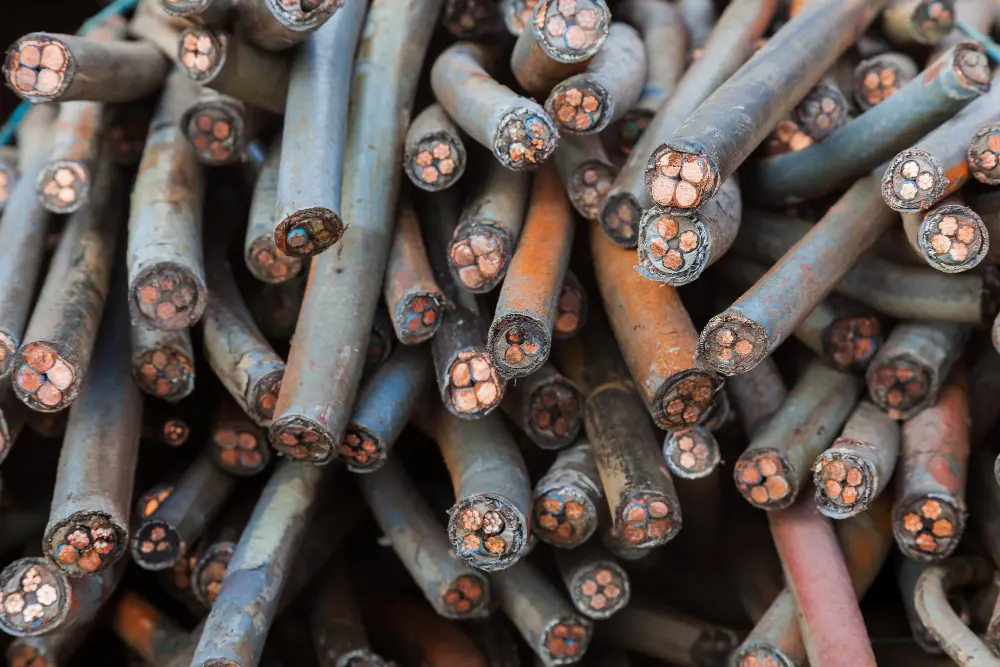
Many people are unsure whether electrical cables and wires in their sheds, garages, commercial buildings, or renovated properties are worth recycling, so they end up leaving them in the buildings they do not want to join the bank. Many people do not know what to do with old electrical cables and wires during renovations or in old buildings because they are unsure whether they can be recycled. Fortunately, most electrical cables have a silver lining: valuable copper that can be restored and recycled; therefore, they are among the most in-demand items in the recycling sector.
Recycling electrical wiring reduces waste; it is good for the environment, AND it saves you money whether you are replacing the wiring in your home, installing wiring as part of a project, or clearing out extra cable at your business. To get the most value from the scrap price per kg Adelaide for copper, it’s important to comprehend how cable recycling works.
This guide outlines which cables are recyclable, the value of copper, the removal of insulation, and the recycling process at the plant.
Can Electrical Cables and Wiring Be Recycled?
Yes. The majority of electrical cables and wiring can be recycled, as they are Type 1 or 2, with a plastic outer insulation layer and either copper or aluminium core. In the recycling process, these materials are sorted to enable the reuse of the metal and insulation in product manufacturing.
Recycling uses valuable metals to return to construction, electrical manufacturing, telecommunications, automotive production and renewable energy, and prevents old wiring from getting buried in landfill.
Old cable is often pulled out alongside rusted steel fixtures during a renovation, and both can usually be recycled together once sorted.
Surplus electrical wire is commonly collected by electrical contractors, demolition companies, manufacturers, and homeowners throughout Adelaide and South Australia for both environmental and financial reasons.
Why is Copper Valuable?
Copper remains one of the most lucrative scrap metals readily accepted by scrap yards. It is valuable for a number of significant attributes:
- Excellent electrical conductivity
- High thermal conductivity
- Resistance to corrosion
- Long service life
- Reusability, its ability to be recycled over and over again without reducing quality
As new copper mining projects are costly and require significant resources, manufacturers rely heavily on recycled copper to meet the growing demand. This ensures sustained demand and enables competitive prices for buying copper scrap.
While the price of copper scrap per kg in Adelaide depends on global metal markets, copper remains one of the most lucrative materials for people to recycle. Recovered copper feeding back into manufacturing is a textbook example of the circular economy in action.
What Kind of Electrical Cables Work?
A majority of the licensed scrap metal dealers can take in any kind of electrical cables. These are the most typical cable recyclables:
- Household electrical wiring
- Cable analysis of buildings and renewals
- Industrial power cables
- Extension leads
- Communication cables
- Data cables
- Automotive wiring harnesses
- Heavy electrical cable
- Copper earth wire
Acceptance may be subject to contaminants, amount or possibly hazardous materials, so it’s essential to call your local recycler before dropping off collectables.
Another advantage of separating cable grades is the easier, faster initiation of evaluation and the potential for improved payment. Read our full guide on why scrap metal grades are important to understand how this affects your payout.
When Should Insulation Be Removed?
One of the most common issues which buyers ask is this one.
In most situations, no. Professional recyclers use specialised equipment to efficiently and safely separate copper from plastic insulation.
Burning insulation is never advised. Burning cable is prohibited in many cases, pollutes the environment, is harmful to the copper, and can lower the cable’s value.
Some experienced electricians elect to physically remove the insulation from some of the larger ones where possible; however, when using the right tools for smaller household quantities, it’s safer and easier to leave the insulation on.
If you’re not certain, consult your recycler before unwrapping cables.
How is Electrical Cable Recycled?
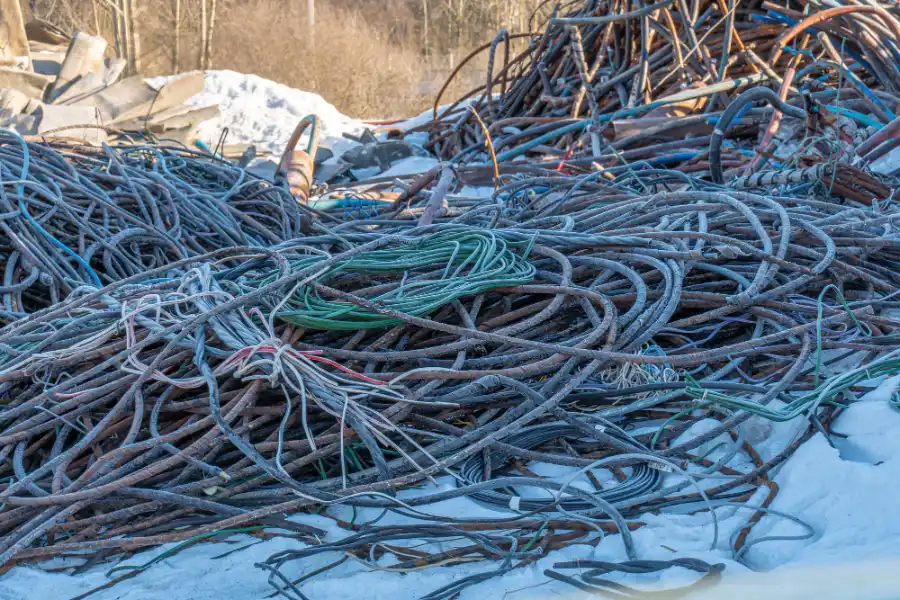
Cable recycling is a highly effective process that recovers valuable materials and reduces waste. The standard recycling process involves the following steps:
- Cable inspection and grading of incoming cables
- Removal of contaminants
- Mechanical shredding
- Separation of copper from plastic insulation
- Cleaning and quality control
- Preparing the recovered material for producing new products
Copper recyclables can be remanufactured into electrical wire, motors, plumbing, industrial machinery, and energy infrastructure for renewables.
This recycling process is efficient and will greatly reduce the use of hard-to-find copper and preserve natural resources.
The Step-by-Step Guide for DIYers: How to Sort Scrap Metal Before Selling
Sorting metal into the appropriate categories is one of the easiest ways to boost your load’s value. Before you go to your local recycling yard, separate the materials into the different types. Some basic sorting guidelines are:
- Isolate copper from aluminium.
- Store brass in its own container.
- Separate and keep stainless steel from mild steel.
- Dispose of easily recognised non-metal materials, if possible.
- Tie cables in the same bundle with other cable materials.
- Put away valuable metals in a drier place to prevent corrosion.
Cluttered loads are more difficult to gauge and can lead to lengthy service times and overcharging.
Factors That Impact Copper Scrap Prices?
It’s sometimes important to check the copper scrap price per kg Adelaide, but the price is seldom constant over a long period of time. Market prices are affected by a number of factors including:
- International copper demand
- Global commodity markets
- Copper purity
- Cable grade
- Quantity supplied
- Market supply levels
- Local processing costs
To ensure recyclers do so at optimal times, it is important to check current product prices before selling them.
A True Local Adelaide Success Story
A homeowner approached H&Z Scrap Metal recently after undergoing a substantial home renovation. The electrician had replaced old electrical wiring during this project and had left behind a number of large boxes containing old copper electrical cables.
At the start, the homeowner was going to be putting all this down as general building rubbish. Instead, they opted for a different course to ensure the electrical wiring was separated from the other debris at the demolition site before they went to the electronics recycling centre.
Following the assessment of the cables and their grading, the homeowner found that the old cables had a very high recycling potential. They did not pay any disposal fees; they were paid for the recovered copper and helped divert recyclables from landfill.
Each item is unique, and scrap prices will vary with the market, but as a sample, knowing how to spot potential high-value items before they are scrapped could make a difference in your profits.
Convert Disused Electrical Wiring into a Money Spinner
Driveways, buildings, and home renovations may not even occur to the recycling mind as important sources of materials that can be recovered from electrical wiring and cables. A brief understanding of the cable recycling process, proper classification and knowledge of the price of copper scrap per kg Adelaide will help you get the most out of your scrap and contribute to a more sustainable recycling industry.
From the homeowner that has some cable scraps in their shed to the electrician that gets regular straws of cable ends from work, to business owners who want a secure, efficient, and competitive copper buying local service for their stockpile of offcuts, there is a reason to select the experienced local recycler in Adelaide, and they’ll know how to treat your wiring responsibly, efficiently, and at current market prices.
Every kilo of cable you recycle also helps reduce landfill waste in Australia.
Cable is also one of the most frequently stolen materials, so expect to show ID when you sell. Learn how scrap metal regulations in Brisbane are tightening.