It’s a well-established fact that most people know that recycling old appliances for cash, copper wire for cash, aluminum, steel, or car parts for cash is often an easy way to make money. But many first-time sellers are amazed to find that not all metals are accepted at a scrap yard. However, some materials contain hazardous elements, require special handling, and/or are subject to scrap metal laws and South Australian regulations.
If you are looking at the value of scrap metal in Adelaide and thinking about cleaning up, finding out what types of metal you may not be able to sell could save you time and potential hazards, and ensure you dispose of unwanted items the correct way. Note that surface corrosion isn’t one of those exclusions — most rusty metal is still welcome.
This information covers what isn’t usually collected, why some materials aren’t collected, and how to prepare them for collection by a recycler before you visit them.
What Is Not Accepted by Scrap Metal Recyclers?
Scrap yards have different rules for things they will recycle, and many do not accept items that are too dangerous or too contaminated to be handled properly. Typical rejected products include, but are not limited to:
- Gas cylinders that contain explosive or pressurised gas.
- Paint cans with liquid paint.
- Residual chemical containers in their original packaging.
- Asbestos-containing materials.
- Medical or biohazard waste.
- Radioactive materials.
- Fuel tanks with fuel stock.
- Fire extinguishers that have not been rendered safe.
- Contaminated industrial waste.
- Some e-waste, depending on the facility's regulations.
Is There an Easy Way of Recycling Hazardous Materials?
Some hazardous materials can be recycled through specialised programs, but they are unlikely to be part of the general scrap metal recycling process. Examples include:
- Lead-acid batteries
- Electronic waste
- Fluorescent light fittings
- Air conditioner refrigerant chemicals
- Oil filters
- Industrial chemicals
Lead and acid, for instance, can be found in car batteries. They’re frequently accepted by specialty battery recycling centres, and many individuals look up car battery scrap prices before selling them. Batteries need to be handled sensitively, however, as acid can leak, causing safety and environmental issues. Recycling them properly is part of how metal keeps moving through Australia’s circular economy.
What Requires Special Disposal?
Some items contain a valuable metal but must be treated in accordance with specific disposal rules before they can be recycled. Common examples that can’t simply be dumped in landfill include:
- Air conditioners
- Fuel tanks
- Oil-filled equipment
- Equipment with hazardous liquids
These products frequently require draining, de-gassing and careful treatment before being safely recycled as metal.
Are Gas Cylinders Accepted?
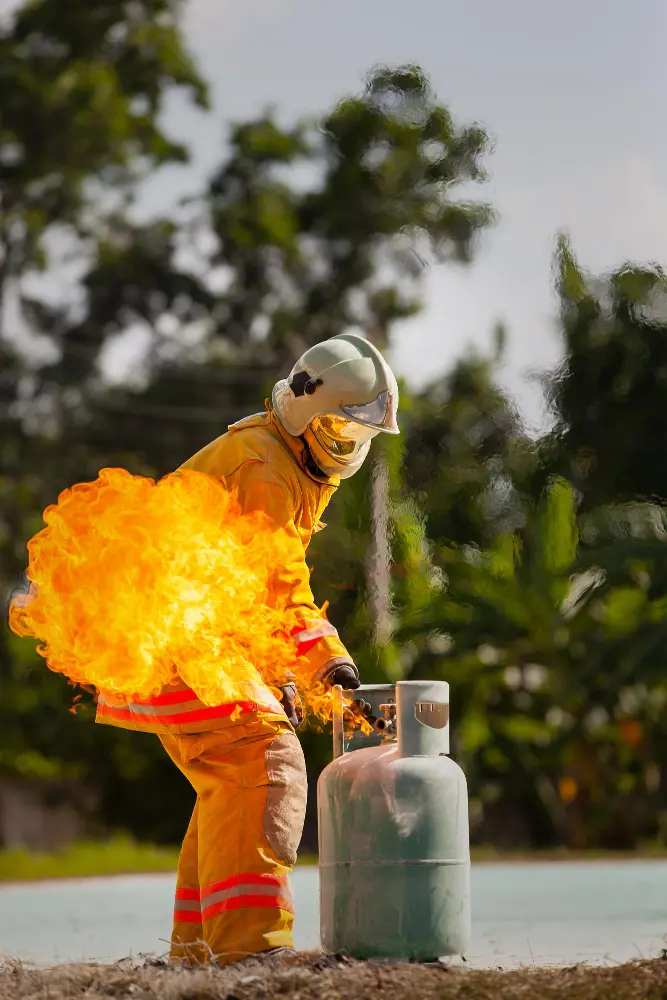
One of the most misunderstood scrap items is a gas cylinder.
It is important to know that many recyclers will not take cylinders that are still under pressure. All cylinders, even if empty, could still contain gases that pose an explosion risk during handling or processing.
Acceptance depends on:
- Whether the cylinder has been professionally decommissioned.
- The type of gas that was previously stored inside it.
- The recycler's policies for personnel safety.
- Local regulations.
Always contact the recycler before transporting gas cylinders.
Why Is There a Restriction on Some Items?
There are three reasons why there are restrictions:
- Worker Safety Items that are under pressure, explosive, or chemically contaminated may cause serious injuries to the workers.
- Environmental Protection If improperly processed, hazardous materials may leach into soil, waterways, and air.
- Legal Compliance Recyclers are required to comply with South Australian scrap metal laws, as well as environmental control and management acts governing the recycling of restricted materials.
Preparing Scrap Metal for Drop-Off at the Recycler
When sorting your load, recyclers can easily find the valuable items and may get a more accurate value for them. Basic sorting tips:
- Avoid mixing copper with aluminum.
- Disconnect brass from steel.
- Keep stainless steel away from nonmetals.
- Clear away non-metal materials if possible.
- Store batteries in a battery locker.
- Look for any potentially hazardous items before being transported.
Knowing what kinds of scrap metal exist can guide the preparation of a more valuable, safe and clean load. Correct sorting and disposal also helps reduce landfill waste across Australia.
A Local Adelaide Example
Client story: Mark of Adelaide.
One of Adelaide’s property owners was getting ready to clean out his garage. He had unloaded all the copper wire, aluminum, steel shelving and an old BBQ gas cylinder into one trailer, and was expecting the whole load to be accepted.
He called H&Z Scrap Metal and was told that the gas cylinder would require specialised disposal in accordance with safety guidelines. He efficiently recycled the copper, aluminum, and steel after removing the cylinder and sorting the other materials, and he was paid according to the current scrap metal price in Adelaide.
The experience highlighted the importance of knowing what to do with the scrap and of recognising which items are restricted in advance to ensure a smoother recycling process.
Items that look stolen, such as streetlight parts or exposed cabling, can also be refused. Read about copper theft and scrap metal regulations.