Nearly every garage has one. Maybe it came from a car you sold years ago. Maybe it died one cold morning, you replaced it with a new one, and never got around to removing the old one. It sits quietly on a shelf, or on the floor near the paint tins, gathering dust. An old car battery is one of those things that feels too awkward to throw away and too boring to deal with. It is also one of the easiest items in your house to recycle. The key is to get it right. A few basic mistakes can turn an easy job into a messy, unsafe or time-wasting one.
This guide works as an audit. Read through the five mistakes below and compare your situation with each one. If you see yourself in any of them, you’ll know what to fix before you recycle your battery with H&Z Scrap Metal.
Why Car Batteries Deserve a Little Respect
Before we get into the mistakes, it helps to know what you’re dealing with. The battery in most cars is a lead-acid battery. Inside the plastic case are lead plates and a strong acid solution called electrolyte. This combination lets the battery store and release electrical energy.
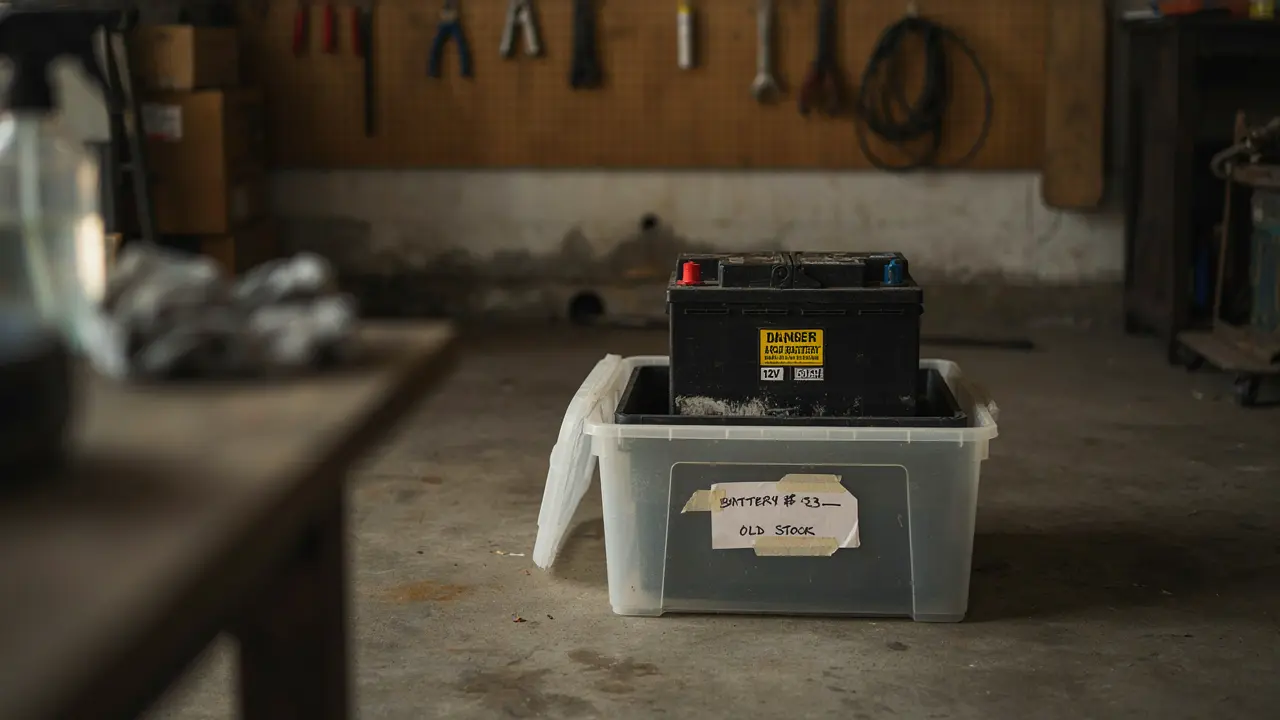
What makes a battery useful also makes it a poor candidate for the general bin. It contains lead, a heavy metal that shouldn’t end up in landfill or the environment, and if the acid spills, it can damage surfaces and harm the ground. The good news is that the contents, particularly the lead and plastic, can be recovered and reused. Recycling it properly takes just a few minutes. Now let’s review the five mistakes.
Mistake One: Leaving It Sitting Around for Years
The audit question: Do you have an old battery sitting in your garage, shed or yard without a plan?
This is the most common mistake, and it doesn’t seem serious. After all, the battery isn’t doing anything. But time isn’t on your side. Over the years, cases can crack, terminals can corrode and acid can leak. A battery sitting on bare concrete, a wet floor or outside in the weather is even more likely to fail and make a mess. Corrosion is easy to spot. Look for a white, blue or greenish crust around the terminals. That crust is acid residue and shouldn’t be touched with bare hands. A battery left in the sun or rain can also become unstable, and a broken case can leak onto whatever is underneath it, such as your garage floor, tools and stored items.
The fix:Don’t extend the lease on an old battery. If you can’t recycle it straight away, keep it in a cool, dry, well-ventilated spot, preferably in a strong plastic tub or tray to catch any leaks. Keep it away from children, pets, heat and anything flammable. Then schedule a time to recycle it. H&Z Scrap Metal can tell you how to get it to them and what to do next.
Mistake Two: Putting It in a Rubbish or Recycling Bin
The audit question:Have you ever thought, “It’s just one battery, it’ll be fine in the bin”?
It’s understandable. When the garage is full, the bin is the obvious choice. But a car battery should never go in your household rubbish or kerbside recycling. Those systems can’t process it, and the impact goes well beyond a single bin. A battery can break in the garbage truck or sorting centre, and acid can leak out. That puts workers, equipment and other materials at risk. Over time, batteries that end up in landfill can leak lead and acid into the soil. Lead-acid batteries are also classed as hazardous waste in many parts of Australia and can’t be thrown out with household rubbish. There’s a positive side, though. Scrap metal businesses are usually happy to accept batteries because the lead and plastic are valuable to recyclers. Doing the right thing is responsible, and it’s often easy and sometimes even rewarding.
The fix: Don’t put the battery in any bin at home. Take it to a suitable recycler. H&Z Scrap Metal can help you hand it in safely, and our car battery recycling service explains what to expect.
Mistake Three: Handling It Carelessly
The audit question: Would you be comfortable picking up your battery with bare hands and carrying it by the terminals?
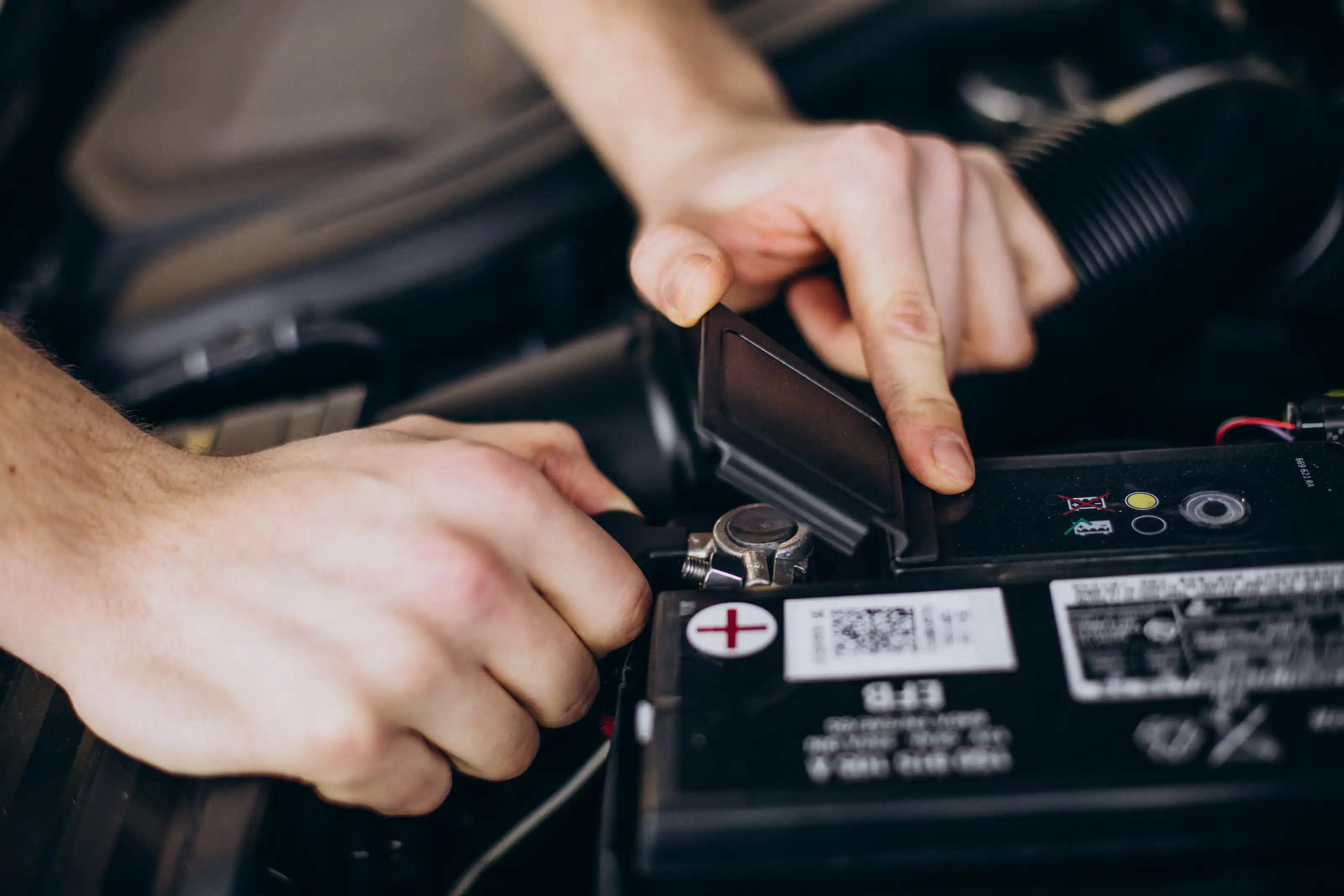
If so, this mistake is for you. Batteries are heavier than they look. The average car battery weighs over 10 kilograms and can cause strain if lifted the wrong way. Add the risk of acid and sharp corrosion, and it’s a job that calls for basic care. Here are the most common handling mistakes:
- Lifting with your back instead of your legs
- Carrying it by the terminals instead of the case or handle
- Tilting it on its side or turning it upside down
- Handling it without gloves or eye protection
- Leaving it sitting directly on concrete
Tipping is a particular problem. Many car batteries have vent holes, and tilting them can let acid pour out. If you see a damp patch, smell a strong, sharp odour or notice a cracked case, take extra care and keep your skin and face away from it.
The fix:Wear old clothes, safety glasses and chemical-resistant or thick rubber gloves. Handle the battery by the case or carry handle, lift with your legs and keep it upright. If it’s heavy or awkward, get another person to help. If you see a leak, never wipe it up with a rag and throw the rag in the bin. Place the battery in a leak-proof container and let H&Z Scrap Metal know in advance what to expect when it arrives.
Mistake Four: Transporting It the Wrong Way
The audit question: Will you toss the battery on the back seat or in the boot and drive off?
This is where things most often go wrong: the trip from the garage to the recycler. A loose battery rolling around in a boot can tip over, crack or leak. Acid on car carpet or upholstery is hard to remove and can cause damage. If the battery shifts when the vehicle slows down, it can also be a hazard to everyone in the car. Another overlooked risk is the terminals. If a metal object such as a spanner, tool or loose wire touches both terminals at once, it can cause a short circuit. That can create sparks and heat, which you don’t want anywhere near a vehicle.
The fix:Keep the battery upright in a heavy-duty plastic battery crate, tub or carrier that can contain leaks. Use boxes, towels or straps to wedge it in place so it can’t slide or tip. Carry it in the boot, the tray of a ute or another well-ventilated area, away from the passenger compartment. Don’t place tools or metal objects on the terminals. If the battery is damaged or leaking, tell H&Z Scrap Metal before you leave so they can advise how to bring it in safely.
Mistake Five: Trying to Open It, Drain It or Take It Apart
The audit question:Are you tempted to drain the acid or pull the battery apart to “get the lead out” yourself?
This is the most dangerous mistake on the list, and it happens more often than you’d expect. Some people see lead as a valuable metal and decide to take the battery apart themselves. Others try to drain the acid before recycling, believing it will make the battery lighter or safer. Please don’t. The acid is very irritating to skin and eyes. Lead is a poison, and its dust or fumes can be harmful if inhaled or swallowed. Opening or cutting a battery can also release flammable gas, and sparks from cutting tools are dangerous. An opened or drained battery is also much harder to handle and may not be accepted the same way as an intact one. Recyclers have the equipment, training and procedures to dismantle batteries safely. It’s their job, and it shouldn’t be done in the shed.
The fix:Don’t open the battery. Hand it over as it is, with the caps and terminals in place, and let them do the rest.
A Bonus Check: Know What Type of Battery You Have
Batteries come in many types, so it’s worth knowing what you have before you head out. A car battery is typically a standard lead-acid battery. However, newer vehicles, hybrids, electric vehicles and some other equipment use different types, such as lithium-ion, with different handling and safety requirements. If you don’t know the battery type, check the label on the casing. Take a photo and send it to H&Z Scrap Metal, or describe it in detail over the phone. The team can help you work out what’s appropriate and how to proceed. If in doubt, ask first.
Your Quick Battery Audit
Here’s the whole checklist in one place. Run through it and see how you score.
- Is the battery upright, in a cool, dry spot, and planned for recycling soon?
- Are you keeping it out of all household bins?
- Do you wear gloves and eye protection when handling it?
- Is it upright, secured and in a leak-proof container for transport?
- Is it unopened, undamaged and undrained?
- Do you know what type of battery it is?
If you can answer yes to all of them, you’re ready to go. If a couple raised red flags, you now know what to do. Got other metal piling up too? Our free scrap pickup checklist shows how to get the rest ready for collection.
An Old Battery Off Your To-Do List
It’s satisfying to get that old battery sorted. The shelf is empty, the garage is less cluttered, and you’ve helped the environment too. Recycling reusable materials means fewer new resources need processing. Check your battery, store it safely, handle it with care, transport it securely and hand it to a recycler who knows what they’re doing. None of it is complicated or time-consuming, and none of it requires specialised knowledge. If you have an old car battery in the garage, get in touch with H&Z Scrap Metal. Tell the team what you have, ask how to bring it in, and take the first step towards a clearer, safer space. Your garage floor will thank you.